Mark your calendars for two upcoming mid-semester webinars and a year-long series on SoTL!
Early semester surveys: Meet your students where they are
Tuesday, September 15, 4:00 PM
Presented by Carolyn Johns, Assistant Director of the Math and Statistics Learning Center, The Ohio State University, and Jenny Sheldon, Assistant Professor of Teaching Practice for Mathematics, The Ohio State University; moderated by Rebecca Ricciardo
Every semester brings unique students as well as unique challenges to the classroom. Surveying students early in the semester gives instructors an opportunity to make meaningful adjustments to better fit the students we are actually teaching. We will discuss several types of surveys that instructors could implement as appropriate to their course, presenting examples of surveys we have implemented in the past. This session is interactive: participants will have time to reflect on their needs as well as brainstorm how they could implement an early semester survey.
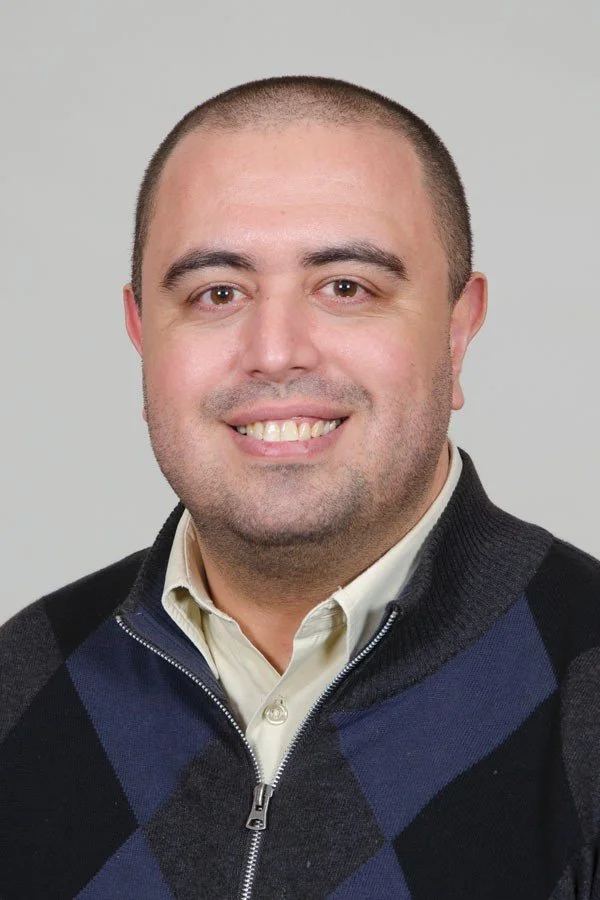
Jenny Sheldon has been a faculty member at Ohio State since 2013 and an Assistant Professor of Teaching Practice since 2022. Jenny’s main role is to teach and coordinate several Math content courses for pre-service teachers. Her courses use active learning with small and large group discussion, and she believes that community in the classroom is essential to successful group work. To foster community, Jenny uses a variety of formal and informal surveying techniques to respond to the unique group of students she sees each semester.
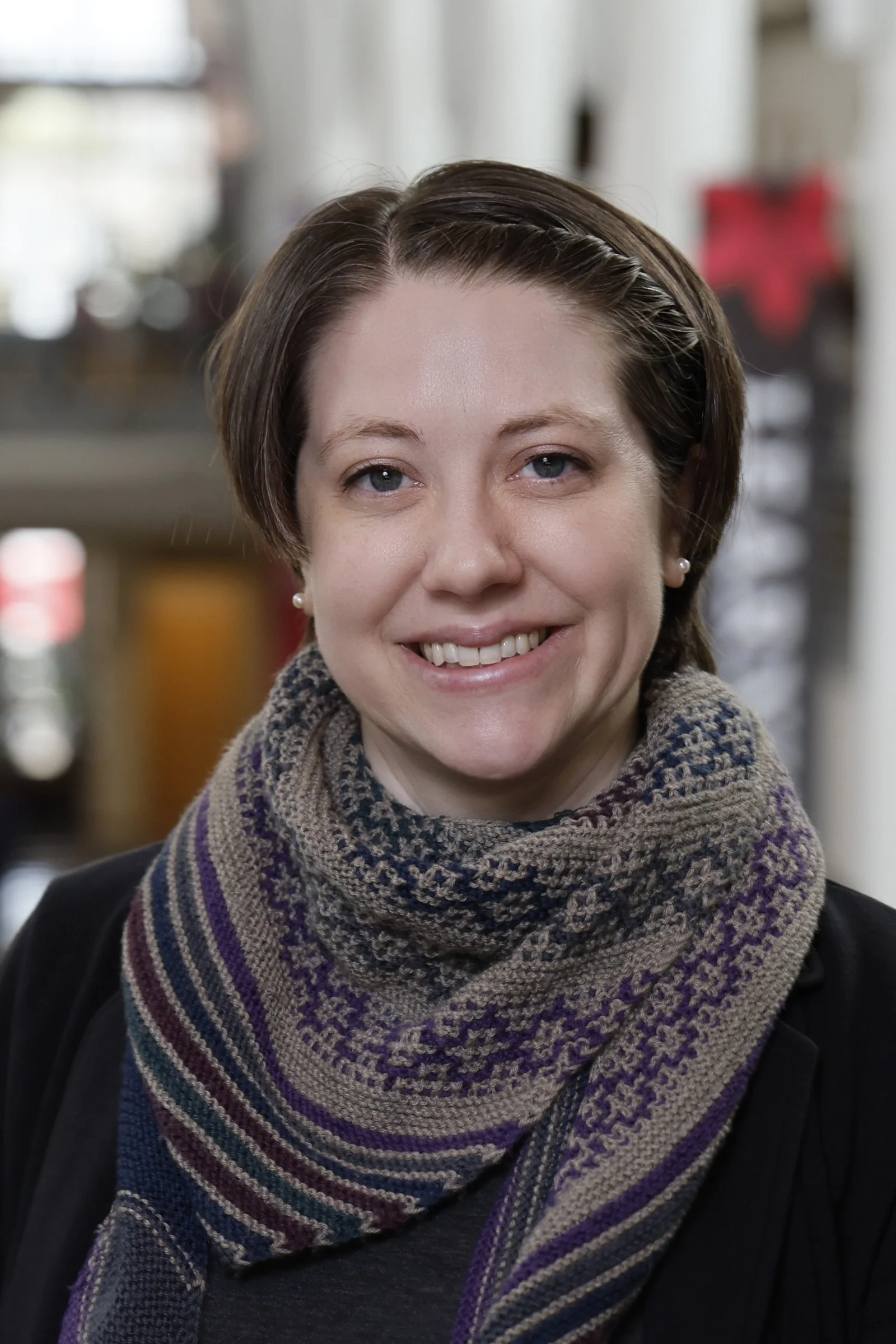
Carolyn Johns has been the Assistant Director of the Mathematics and Statistics Learning Center at The Ohio State University since 2013. As part of this role, she supports mathematics course improvement through data analysis, including both quantitative and qualitative (survey) data, and conducts related research on undergraduate mathematics education. Carolyn is also directly involved with redesigning and teaching OSU’s Mathematics for Elementary Teachers courses as well as a corequisite course for College Algebra. Carolyn believes in the importance of using students’ feedback to tailor courses to current student needs.
Inclusivity in the Classroom
Tuesday, November 17, 4:00 PM
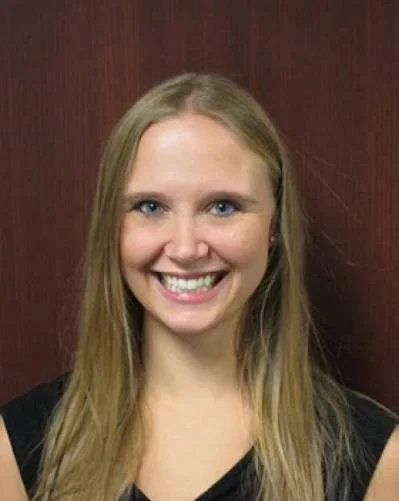
Presented by Stephanie Strand, Associate Professor of Biology, The College of Wooster
Introduction to the Scholarship of Teaching and Learning (SoTL)
3rd Wednesday of every month, 4:00 - 5:00
Sep. 16, Oct. 21, Nov. 18, Jan. 20, Feb. 17, Mar. 17, Apr. 21
Presented by Adam Chekour, Associate Professor of Mathematics, University of Cincinnati, and Mary Russell, Professor of Biological Sciences, Kent State University
This Webinar is an introduction to the Scholarship of Teaching and Learning (SoTL) and a collaborative space for faculty engagement, inquiry, and professional growth. Hutchings and Shulman (1999) define SoTL as “the scholarship of teaching that integrates the experience of teaching with the scholarship of research. It is the ongoing and cumulative intellectual inquiry, through systematic observations and investigations by faculty, into the nature of learning and the impact of teaching on it.” In this monthly webinar series, we will explore SoTL as a flexible and practice-oriented approach to improving teaching and learning. Rather than relying solely on controlled experimental designs, SoTL encourages methodologies that align with disciplinary traditions, instructor expertise, and authentic classroom contexts.
Each session will provide opportunities to:
explore evidence-based teaching practices,
identify common instructional challenges, and
design classroom interventions grounded in the literature.
A central emphasis of this webinar series is connection and collaboration. Participants will be invited to network across disciplines, share teaching experiences, and form potential partnerships for SoTL projects. Over time, this may include collaborative research designs, shared instruments, and larger-scale data collection efforts that extend beyond individual classrooms. Together, we aim to build a supportive scholarly community, one that fosters open dialogue about teaching challenges, encourages innovation, and provides accountability and encouragement as we develop our work as reflective, research-informed educators.
Dr. Mary A. Russell is a Professor of Biological Sciences at Kent State University at Trumbull who believes that great teaching begins with genuine care for students and a passion for learning. After a career in microbiology and biomedical research, she now focuses much of her scholarship on creating inclusive, engaging learning experiences that help all students succeed. Her work in student belonging, active learning, and the Scholarship of Teaching and Learning reflects her belief that authenticity and high expectations go hand in hand. She is especially passionate about helping students see themselves as scientists and capable learners while inspiring fellow faculty to teach with both purpose and heart.
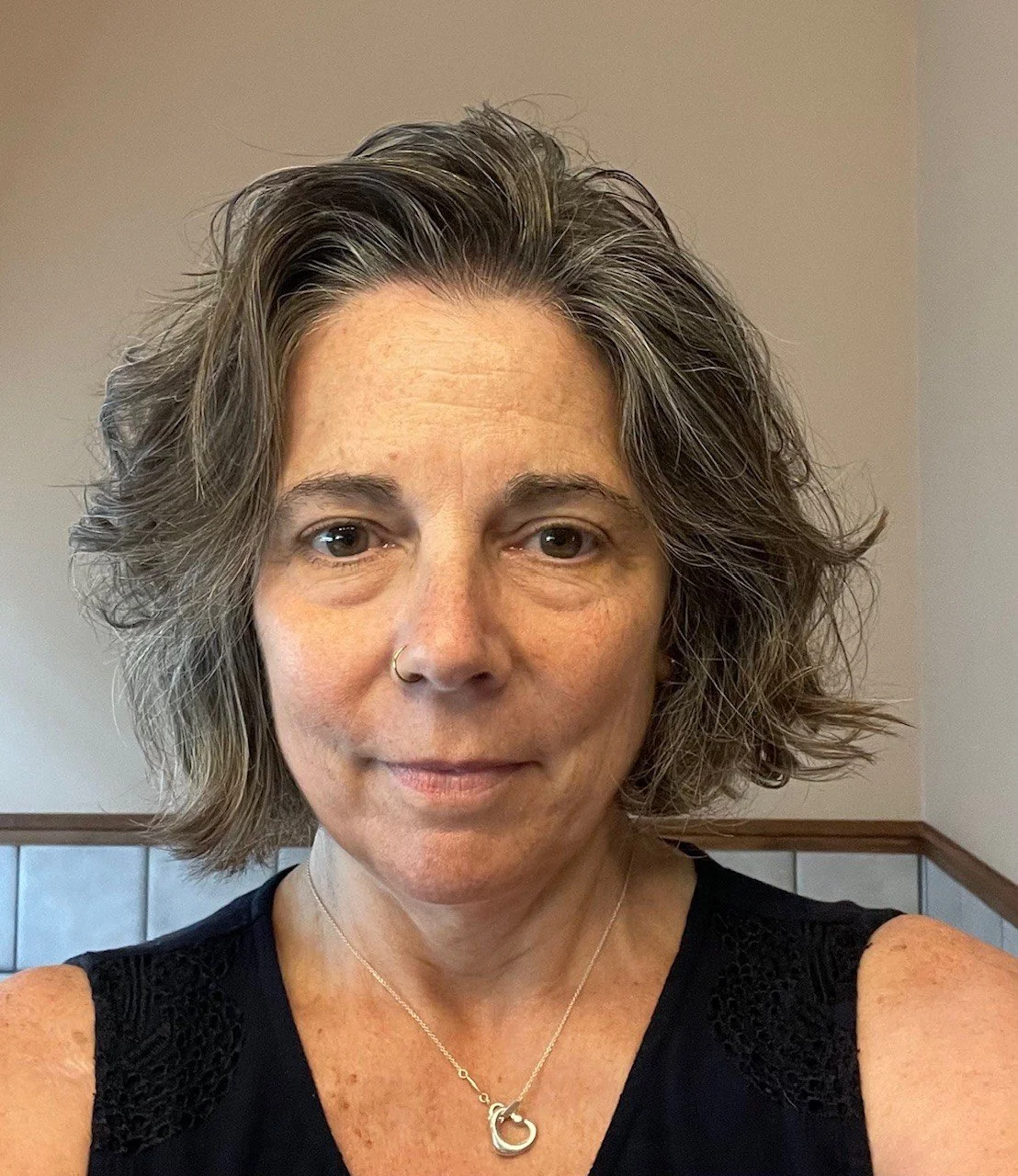
Dr. Adam Chekour's expertise spans mathematics education, instructional technology, and online education. His work focuses on designing, implementing, and evaluating evidence-based teaching practices that enhance student learning, engagement, mathematical reasoning, and problem-solving. He leads a Faculty Learning Community that supports faculty in conducting SoTL research, contributes to the evaluation and adoption of instructional technologies, and has presented and published on teaching, learning, and online education at regional, national, and international levels. His work is dedicated to advancing innovative, research-informed educational practices that improve teaching effectiveness and student success.